
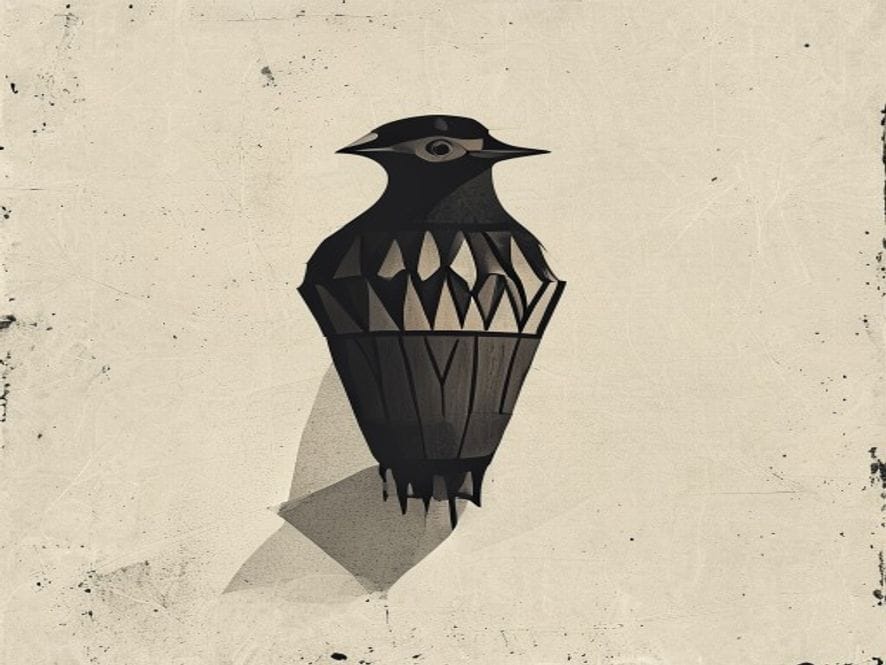
 Artwork
Djembe
The djembe is a rope-tuned skin-covered goblet drum originating from West Africa, played with bare hands. It is known for its wide range of sounds, from deep bass to sharp slaps.
The djembe is a drum that has a long and rich history in West African cultures, particularly among the Malinke people. Carved from a single piece of hardwood, typically from a tree like Lenke or Dugura, it is covered with a goatskin head held taut by a system of ropes and pegs. Its distinctive goblet shape allows for a remarkable tonal range, producing powerful bass tones when struck in the center and sharp, high-pitched slaps when the edge is hit.
Cultural Significance
Historically, the djembe has been central to community life in West Africa, used in ceremonies, celebrations, religious rituals, and storytelling. The drum’s voice is considered a powerful tool for communication, uniting people and expressing collective emotions. Master drummers, known as ‘djembefolas,’ often hold respected positions within their communities, passing down intricate rhythms and techniques through generations.
Legacy and Global Reach
In recent decades, the djembe has gained immense popularity worldwide, becoming a staple in world music ensembles, drum circles, and music education programs. Its portability and expressive capabilities have contributed to its global appeal. Workshops and performances by renowned djembefolas have facilitated the spread of djembe traditions beyond their African origins, fostering cross-cultural exchange and appreciation for this iconic instrument.
The djembe’s influence can be seen in various genres of music and its continued use emphasizes its enduring cultural importance. It remains a vibrant symbol of West African heritage and a powerful instrument that connects people through rhythm and sound across the globe.