
 Place
PlaceHarlem
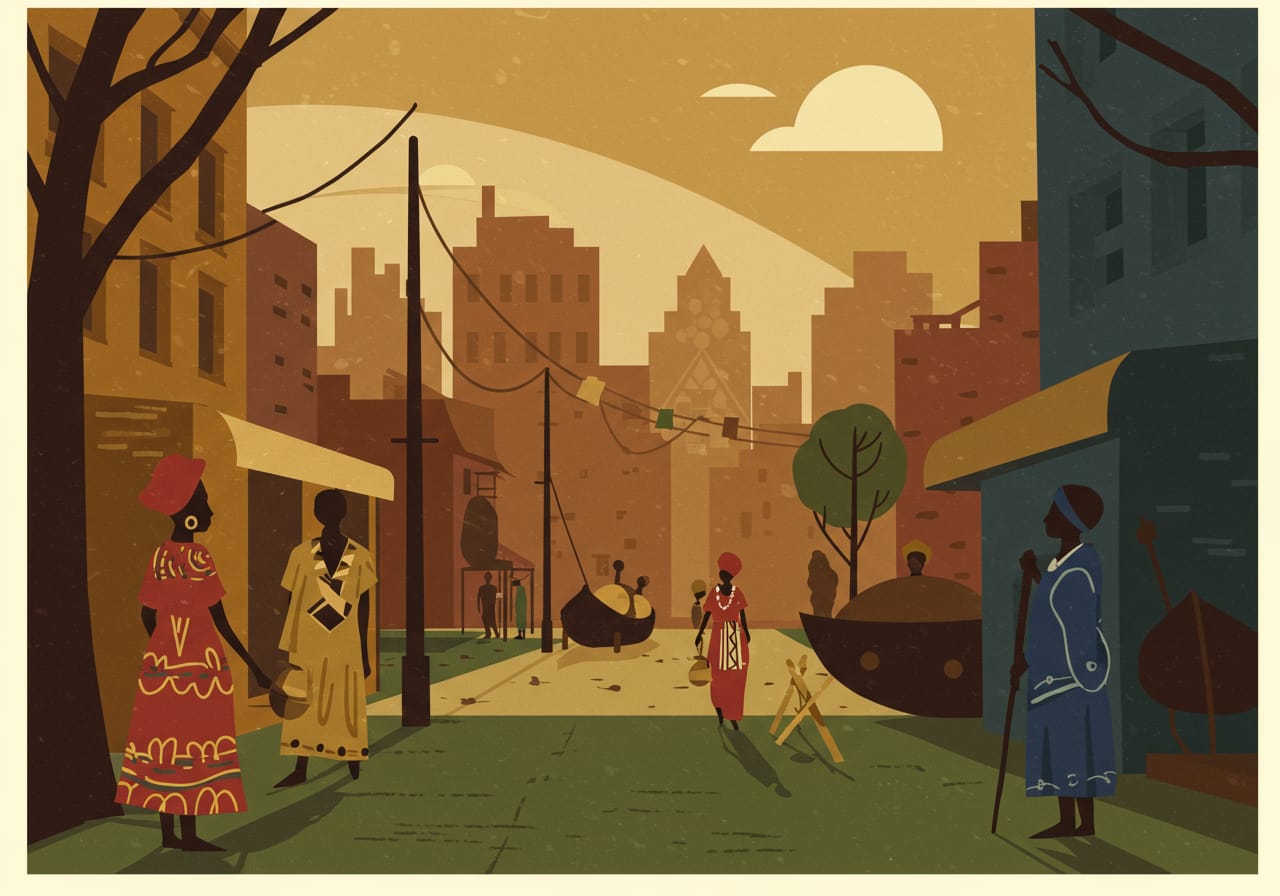
Harlem is a historic neighborhood in Upper Manhattan, New York City, globally recognized as a pivotal center for African American culture, arts, and activism throughout the 20th and 21st centuries. It stands as a symbol of Black excellence, creativity, and resilience in the face of adversity.
Harlem, a vibrant neighborhood in Upper Manhattan, New York City, holds an unparalleled place in the history and development of African American culture. Originally a Dutch village, it transformed significantly in the early 20th century as a destination for African Americans migrating from the Southern United States during the Great Migration, establishing itself as the de facto capital of Black America. This influx of people seeking economic opportunity and escape from racial oppression fostered an environment ripe for artistic, intellectual, and political flourishing, making Harlem a beacon for Black identity and achievement.
Cultural Significance
Harlem’s cultural significance is most prominently defined by the Harlem Renaissance, an explosion of artistic and intellectual creativity in the 1920s and 1930s. This period saw a proliferation of Black writers, poets, artists, musicians, and thinkers who challenged racial stereotypes and celebrated African American heritage. Iconic figures like Langston Hughes, Zora Neale Hurston, Duke Ellington, and Aaron Douglas emerged from this fertile ground, shaping not only American culture but influencing global perceptions of Black artistry. Jazz and blues clubs like the Cotton Club and Apollo Theater became legendary venues, hosting groundbreaking performances and solidifying Harlem’s reputation as a mecca for Black entertainment and innovation.
Beyond the Renaissance, Harlem continued to be a hub for civil rights activism, political thought, and community organizing. Leaders such as Malcolm X found a powerful platform within its streets, advocating for Black empowerment and social justice. The neighborhood’s churches, community centers, and educational institutions have consistently served as pillars of strength and resilience for its residents.
Legacy and Related Works
Harlem’s legacy endures as a powerful symbol of Black self-determination and cultural pride. It continues to inspire new generations of artists, activists, and scholars, with its rich history documented in countless books, films, and musical works. Significant literary works like Claude McKay’s “Home to Harlem,” James Baldwin’s “Go Tell It on the Mountain,” and numerous essays and poems by Langston Hughes vividly portray the neighborhood’s life and spirit. The Apollo Theater remains an active venue, continuing its tradition of showcasing emerging talent and legendary performers, while institutions like the Schomburg Center for Research in Black Culture preserve and disseminate African diaspora history and culture. Harlem’s ongoing cultural impact is a testament to its enduring power as a crucible of creativity and a cornerstone of Black identity.