
 Movement
Harlem Renaissance
A major intellectual and cultural revival of African American art, literature, music, and politics centered in Harlem, Manhattan, during the 1920s and 1930s.
The Harlem Renaissance was a transformative period of creative and social activity among African Americans that flourished in the Harlem neighborhood of New York City. Spanning roughly from the end of World War I through the mid-1930s, this movement marked the first time that mainstream publishers and critics took African American literature and art seriously on a large scale. It represented a convergence of artistic expression and social activism that reshaped the American cultural landscape.
Cultural Significance
This era was characterized by a deep exploration of the ‘New Negro’ identity, a term popularized by philosopher Alain Locke to describe a more assertive and self-determined African American spirit. The movement served as a response to the Great Migration, which saw millions of Black people moving from the rural South to Northern cities to escape Jim Crow laws and seek economic opportunity. This concentration of talent in Harlem fostered a vibrant community of intellectuals who challenged racial stereotypes and sought to redefine Black culture on their own terms.
- Literature: Writers like Langston Hughes and Zora Neale Hurston incorporated Black vernacular and folk traditions into high-art forms.
- Music: The era saw the rise of jazz and blues as sophisticated art forms, with icons like Duke Ellington and Bessie Smith gaining international fame.
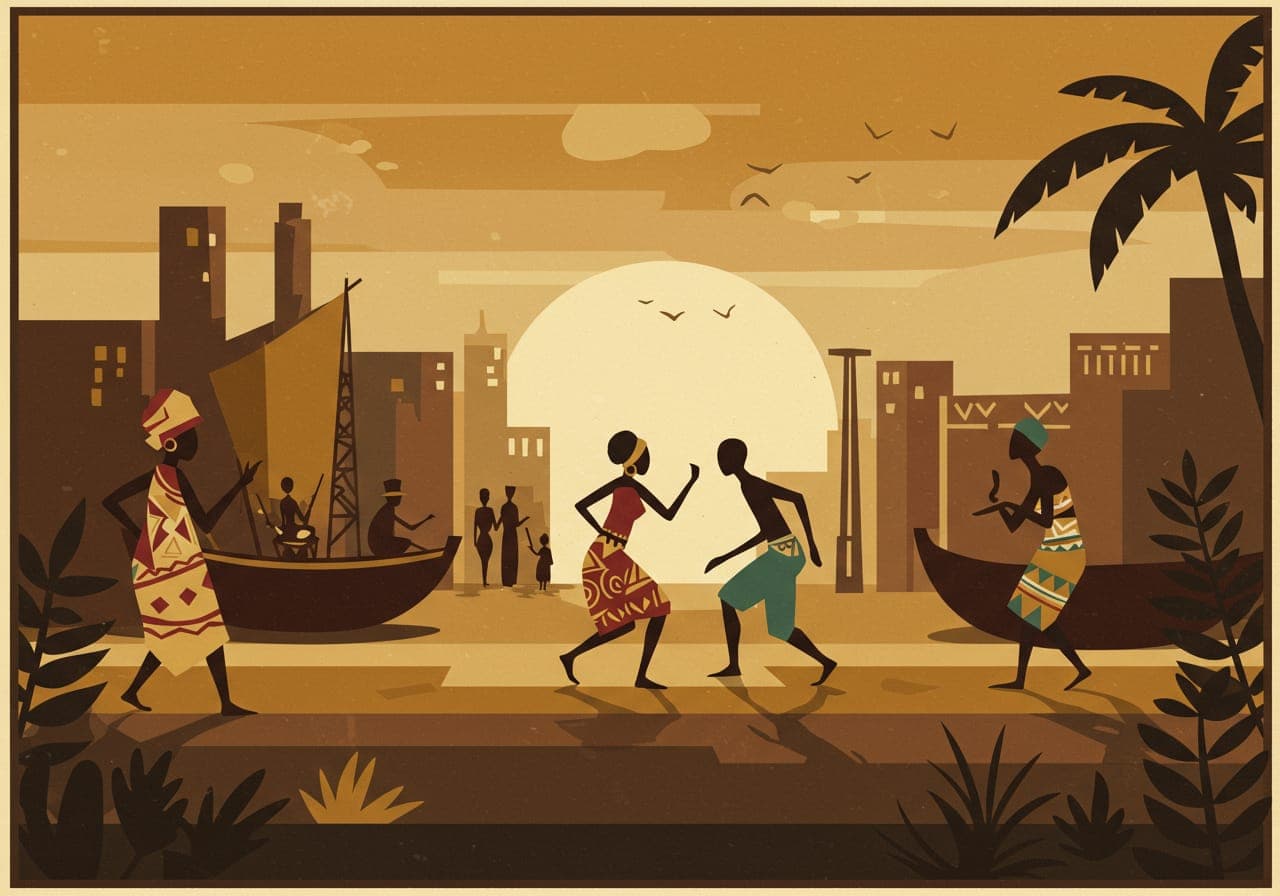
- Visual Arts: Artists such as Aaron Douglas integrated African motifs with modernism to illustrate the historical journey of Black people.
Legacy and Influence
The Harlem Renaissance laid the essential groundwork for the subsequent Civil Rights Movement by fostering a sense of collective identity and political consciousness. Its influence transcended national borders, directly impacting the Negritude movement in the Francophone Caribbean and Africa, which sought to celebrate Black heritage globally. Today, the creative output of this era remains foundational to American and global Black studies, continuing to inspire contemporary literature, fashion, and social justice movements.