
 Book
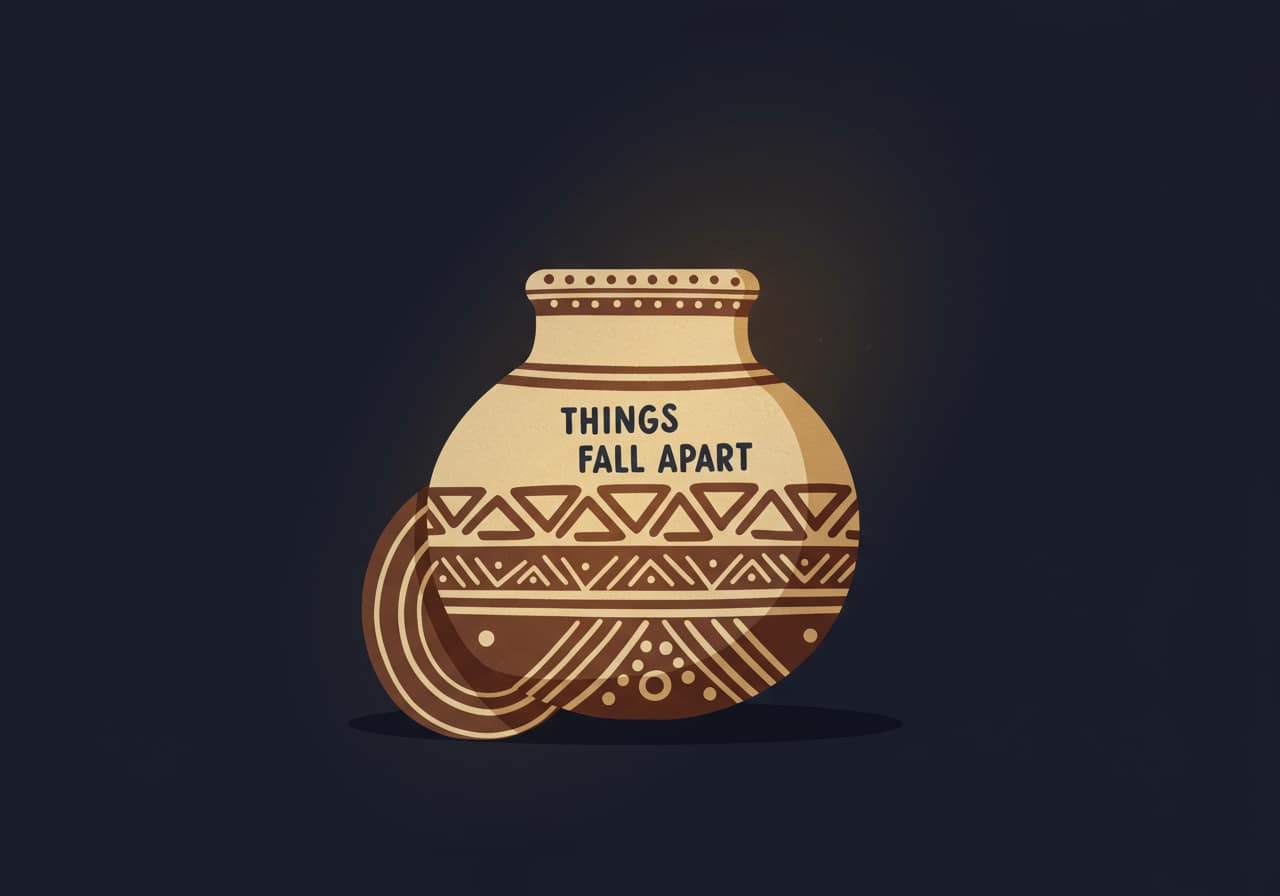
BookThings Fall Apart
A seminal novel by Chinua Achebe that explores the collision of traditional Igbo society and British colonialism in Nigeria.
Things Fall Apart, published in 1958, is widely considered the archetypal modern African novel in English. It tells the story of Okonkwo, a proud and influential leader within the Igbo community of Umuofia, whose life is upended by the arrival of Christian missionaries and British colonial administrators. Through Okonkwo’s personal tragedy, Chinua Achebe illustrates the broader social and cultural disintegration of indigenous societies under the weight of imperial expansion in the late 19th century.
Cultural Significance
The novel serves as a powerful response to European colonialist literature, which often depicted African people as primitive or lacking a history of their own. Achebe utilizes the English language to convey the richness of Igbo oral traditions, masterfully incorporating proverbs, folk tales, and complex social rituals. By centering the African perspective and depicting a society with sophisticated legal and religious systems, the book provided a necessary corrective to Western narratives and established a framework for post-colonial literature globally.
Legacy and Related Works
As the first entry in Achebe’s African Trilogy, the novel laid the groundwork for a new era of African letters. Its impact extends beyond literature into history and sociology, as it remains one of the most frequently studied books regarding the effects of colonialism. It has been translated into over 50 languages and has sold millions of copies worldwide, inspiring generations of writers to reclaim their own histories through storytelling.
- Chinua Achebe
- No Longer at Ease
- Arrow of God
- Post-colonial Literature