
From a Nottingham studio accident to Number 1 on the UK Rock and Metal Chart, ALT BLK ERA have rewritten what is possible in British alternative music. We asked sisters Nyrobi and Chaya Beckett-Messam questions on building a movement, living with chronic illness, and making room.
Nyrobi and Chaya Beckett-Messam are not where you would have put them. They grew up in Nottingham on a diet of neo-soul, reggae, and their mother’s CD collection, with no particular interest in rock or alternative music. Then, during the lockdown of 2020, they stumbled into a sound neither of them had planned. Within three years they were headlining the BBC Introducing stage at Reading and Leeds, playing Glastonbury and Download, touring with Pendulum, winning Best Alternative Music Act at the MOBOs, and releasing a debut album, Rave Immortal, that went straight to Number 1 on the UK Rock and Metal Chart. They did all of this as ALT BLK ERA, two Black British sisters in a genre that had very rarely seen them coming. Here, we asked them some questions for Moveee Magazine Issue 5.


Growing up, we weren’t actually listening to rock or alternative music. It was whatever was on the mainstream radio stations, and neo-soul and reggae from our mother’s CD collection. We first stepped into rock by accident, impulsively adding an electric guitar into one of our alt-rap songs in the studio. We were kind of confused about the genre of sound we had created, so we went around Rough Trade and other alt-looking shops around Nottingham to play our music to their staff. We wanted to see if they could identify it. That’s where our journey into rock and alternative music began. They gave us recommendations: rock venues, bands, local festivals. As a whole, Nottingham has been a great and welcoming space to learn about rock and get our footing there.
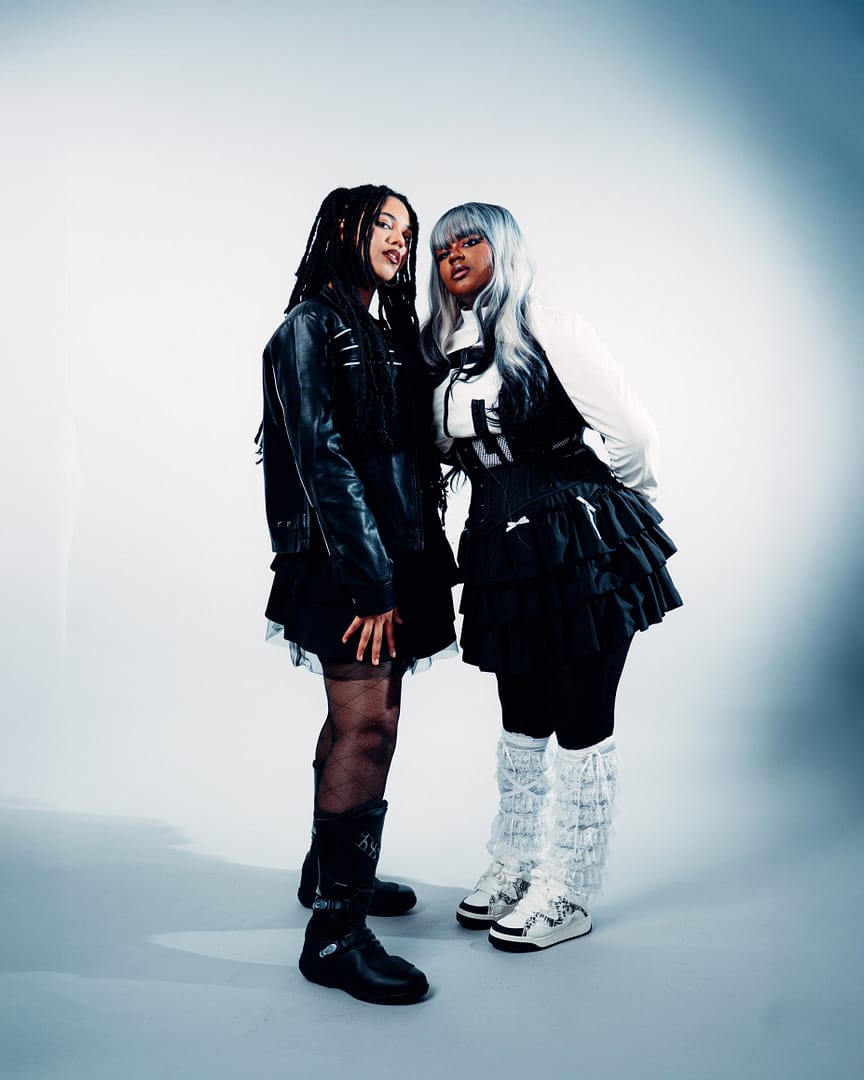
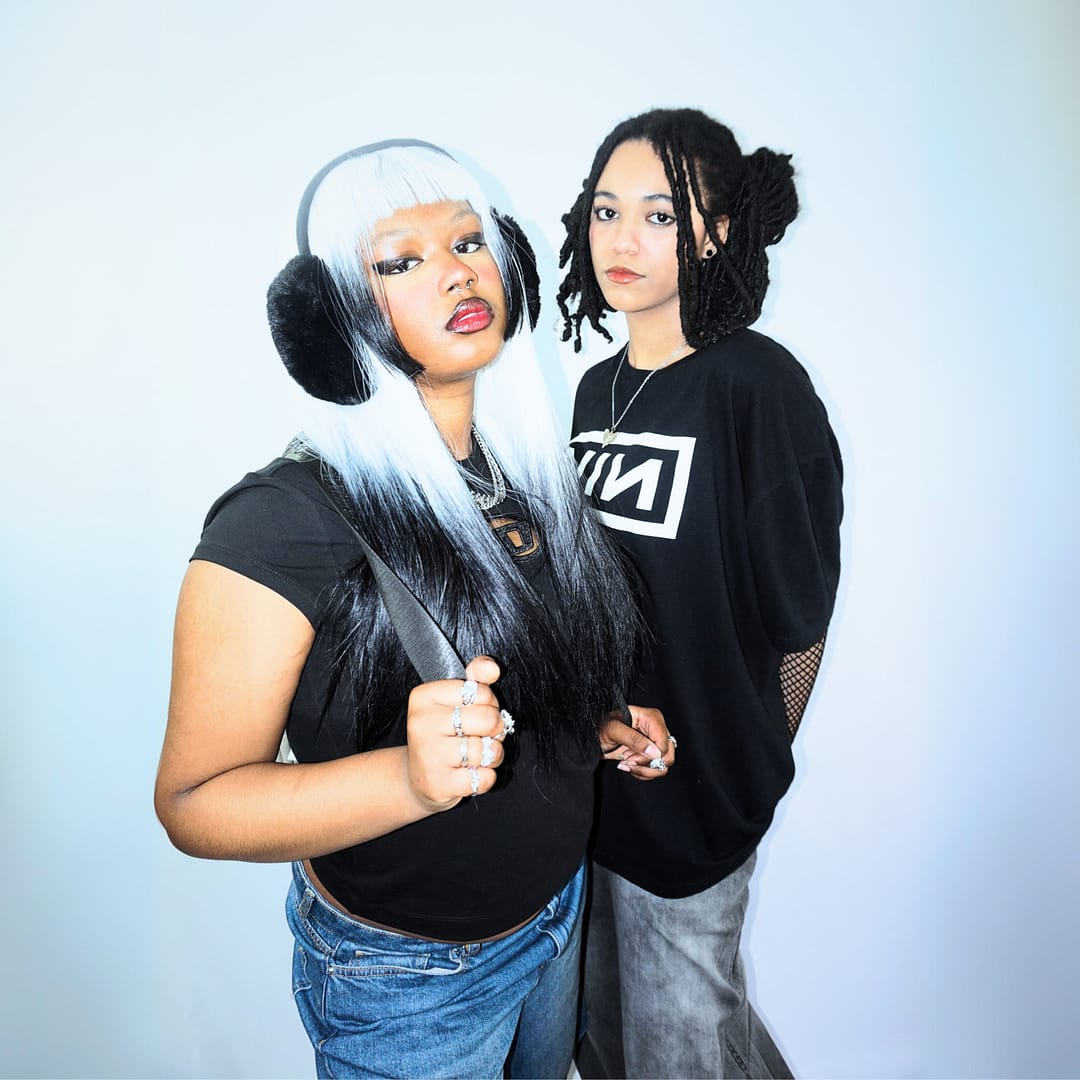
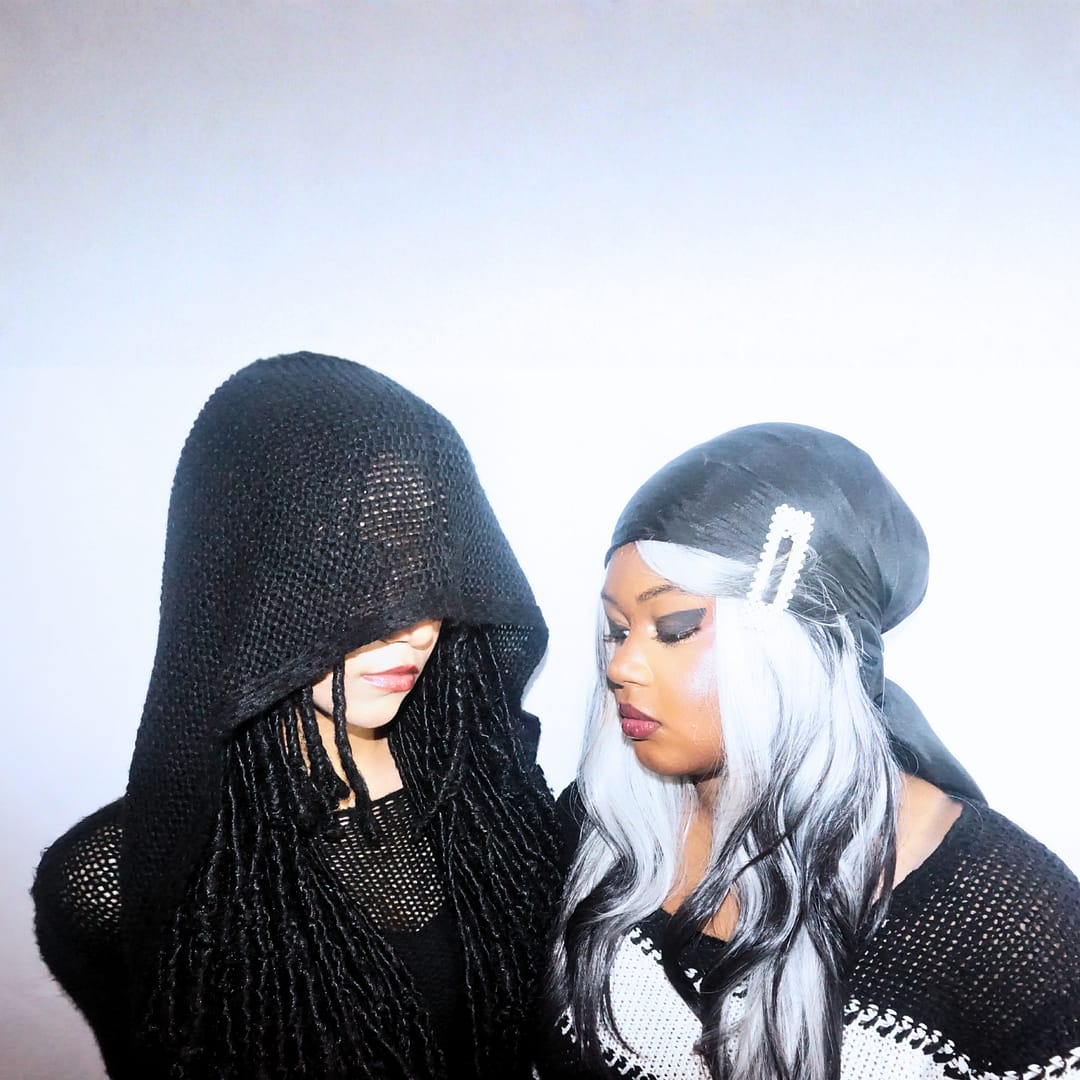
We’ve reflected our individual personalities as authentically as possible. We make sure we are both happy with what we do, wear, say and sing. That’s really how our black and white look came together. Nyrobi loves to stand out and be unique, and the white against her complexion really suits her. With Chaya, her whole wardrobe is black and she doesn’t often wear other colours because she’s happier just blending in. So it was important for us both, being in a duo, to make it work for both of us. ALT BLK ERA begins, we guess, with us as sisters having each other. It ends as a collective — a diverse family of people who have found us through our music.
“ALT BLK ERA begins with us as sisters having each other. It ends as a collective — a diverse family of people who have found us through our music.”
When we first ventured into rock and alternative music we didn’t see many people from the Global Majority in the space. Our name was a way to say: make room. Anyone new introduced to us can figure out what we’re about because it’s in the name.
As we started music so young, at 14 and 18, it almost felt unfair to immediately put ourselves in just one genre. We think it’s good to be as experimental as we can, so we have no regrets and don’t feel creatively locked in. The one element that runs consistently through our music is the rock vibe — the gritty electric guitars.
When we write and go into the production phase, we try so many different sounds and ideas. Simply, if it sounds good, we keep it in.
It represents life. We are all multi-dimensional beings and feel a spectrum of emotions. There are experiences we’ve had, or that we empathise with, that are dark — and sometimes we just like to have fun.
The week of our album release we were touring across the UK doing in-store signings and live performances. Every day we were so grateful for the number of people coming out and supporting us. As the in-stores and even releasing an album were all new to us, we were really living in the moment. A week after that, when we got the news that the album was Number 1 in the Rock and Metal charts, we were taken aback and felt shocked — but so overwhelmingly appreciative of our fans and our team for helping us achieve that.
Freak Show feels like a lifetime ago. We were writing about being outsiders, misfits, finding a community of other people like us. It didn’t have any electronic elements and had a lot more haunting sounds. Rave Immortal felt like our official introduction to the world. We revealed Nyrobi’s hidden disability and told stories about the reality of us both living with that. The first half of the album was very vulnerable, exploring loneliness and rejection. The second half led into empowerment, rebellion and fantasy — where we kick down doors and rave forever. Our love for drum and bass was also getting stronger at that time, so that came through in some of the tracks.
We’re so glad you picked up on the energy of defiance. The album is a personal story about hidden disability. When I became ill during the pandemic, I didn’t just have to battle with being bed-ridden for two years because of the excruciating pain that came with my chronic illness. I also had to come to terms with loneliness and being forgotten about by friends. It was an awful time for our family. Chaya, who was about 12 or 13 at the time, was like an only child again. Rave Immortal is about going through that period — but it’s also about rebellion and strength. We wanted to sing about disability in a way that didn’t just feel pitiful. Our song “Crashing Parties” is about breaking down your doors if you try to leave us out.
“We wanted to sing about disability in a way that didn’t just feel pitiful. “Crashing Parties” is about breaking down your doors if you try to leave us out.”
Chaya: For me, it was probably the last night of the Pendulum tour in Manchester. We’d been on the road for just over a month, and comparing myself to the first show we did with them, I definitely felt a shift. My stage presence grew, as well as my overall confidence and how I interacted with the audience. I remember my hands shaking on that first night. I gained a lot of knowledge from Pendulum themselves and their touring team too.
We gained experience by performing in small rock and alternative clubs first, and were honestly so nervous walking into them the first few times. We were surrounded by people who didn’t look like us — with tattoos, piercings, biker jackets, beards. What was strange is how welcoming that rock and alternative scene is. By the time we played our first rock festival, we were confident we would be well received. What’s great is that the more festivals and gigs we play, the more diverse the audience gets. Now we do see people who look like us, and it’s great to be part of that shift.
Nyrobi: I was tired of hiding it. We were doing shows and were too scared to let people know that I was too ill to walk up stairs or that I needed a space to sleep between soundcheck and the show. Writing about my disability was also a way I moved into acceptance, because up until that point I was fighting the label and fighting against my body — which was no good for my mental health. Being public was out of necessity and wanting to be real with our fans.
Chaya: I’m grateful to be doing this with my sister, as much convincing as it took 14-year-old me to get on stage. I had visions of becoming a real estate agent. Nyrobi, on the other hand, has always wanted to be a music artist. It was when she became ill that I joined her. I wanted to support Nyrobi after seeing her live her life in constant pain. I slowly watched music, songwriting and the dream of performing get her through the worst moments.
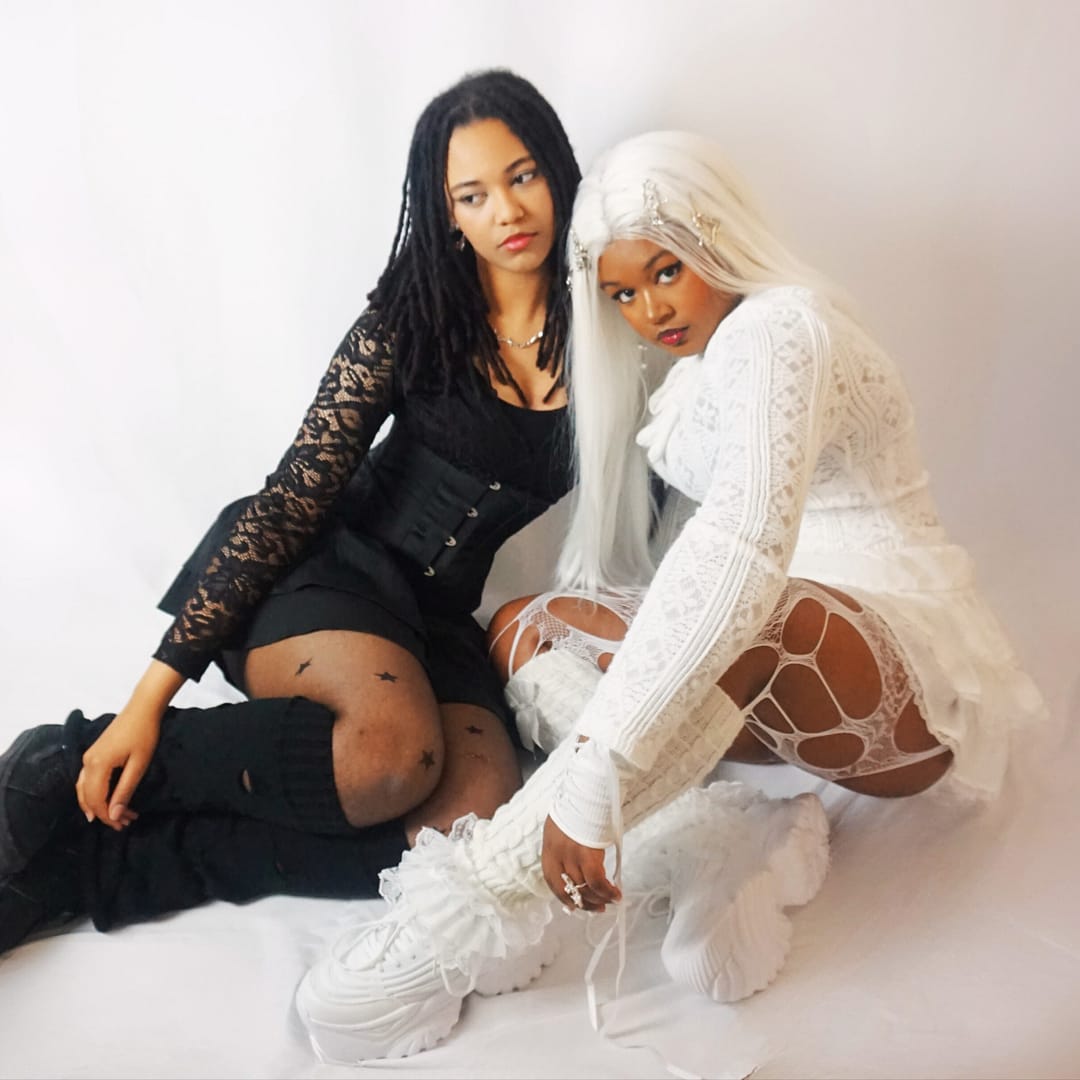
The industry is a difficult place to exist in for everyone. It’s really tough, but with respect to inclusivity, people really try to work with us when we let them know what our needs are. The one thing for us is that when we put on headline shows, our costs go up because we have to space them out more so Nyrobi’s body can recover in between. That means more days on the road and more outgoings. Touring is already a difficult landscape, and adding in those needs is an extra financial burden.
Nyrobi: At first, it felt like there was a lot of pressure to hide all of this and always present myself as being at 100%. That changed since releasing “Straight to Heart,” which is about my disability. So many fans have shown love and support, and we’ve learnt that people have come to our shows for the first time with their disability aids because we’ve been open about it. Our fandom feels like a safe space and the community we’ve built has been judgement free. I now share behind the scenes videos of a show day and how I manage that.
“Fans have come to our shows for the first time with their disability aids because we’ve been open about it. Our fandom feels like a safe space.”
Resilience for us is getting back up and continuing forward despite the knockbacks. It’s not allowing that critical voice to take over and prevent you from trying new things. It’s about being willing to put yourself out there, knowing that you can’t please everyone but that you will find your people.
Self-autonomy for us looks like sticking to our path even if others around us don’t quite get it. It’s about listening to advice but listening to yourself too, and trusting yourself when things don’t feel quite right. It’s about being able to walk away and not do things that conflict with your own spirit, even when things look tempting or exciting over the way.
“Our World” was written as a reaction to the ugly state of politics, war, exploitation and the environment. We are in such dark times, and that weight can make us feel so helpless. “Our World” is our way of taking back control and letting others know that they can focus on the small things that bring happiness and that make changes. We know it’s the small actions that can lead to massive change. To perform this song feels very special, and to see people singing it with us is incredible.
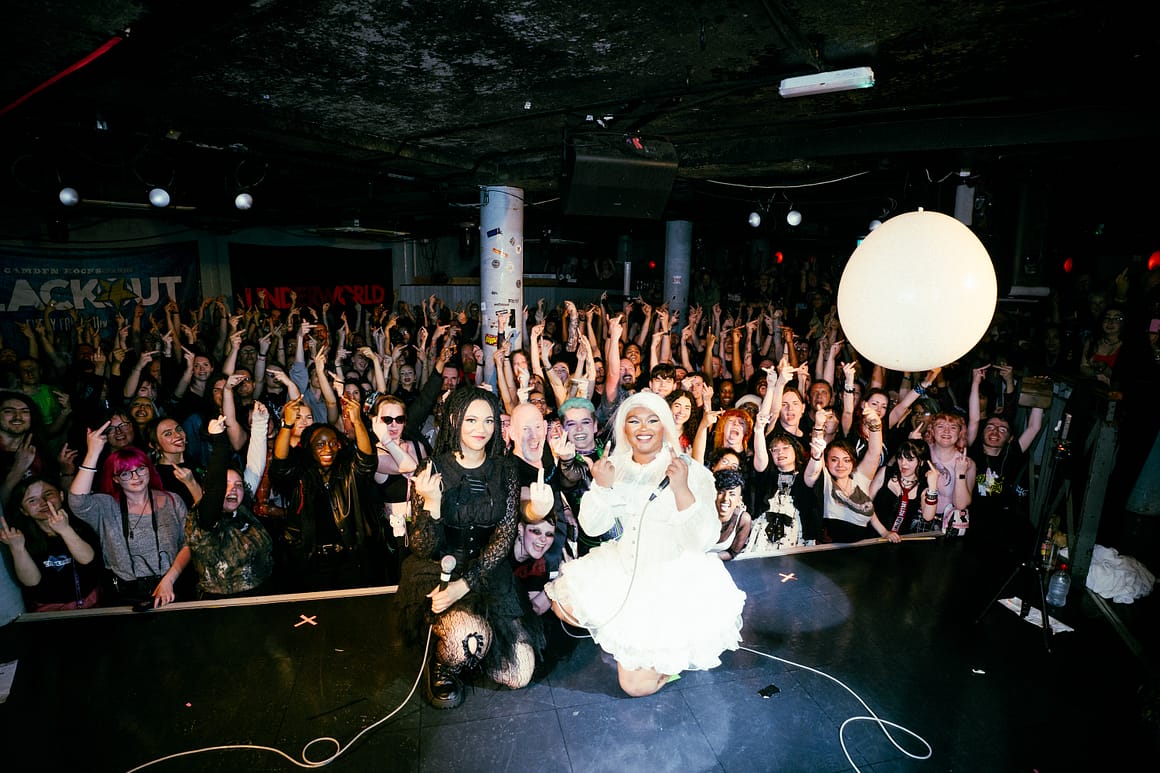
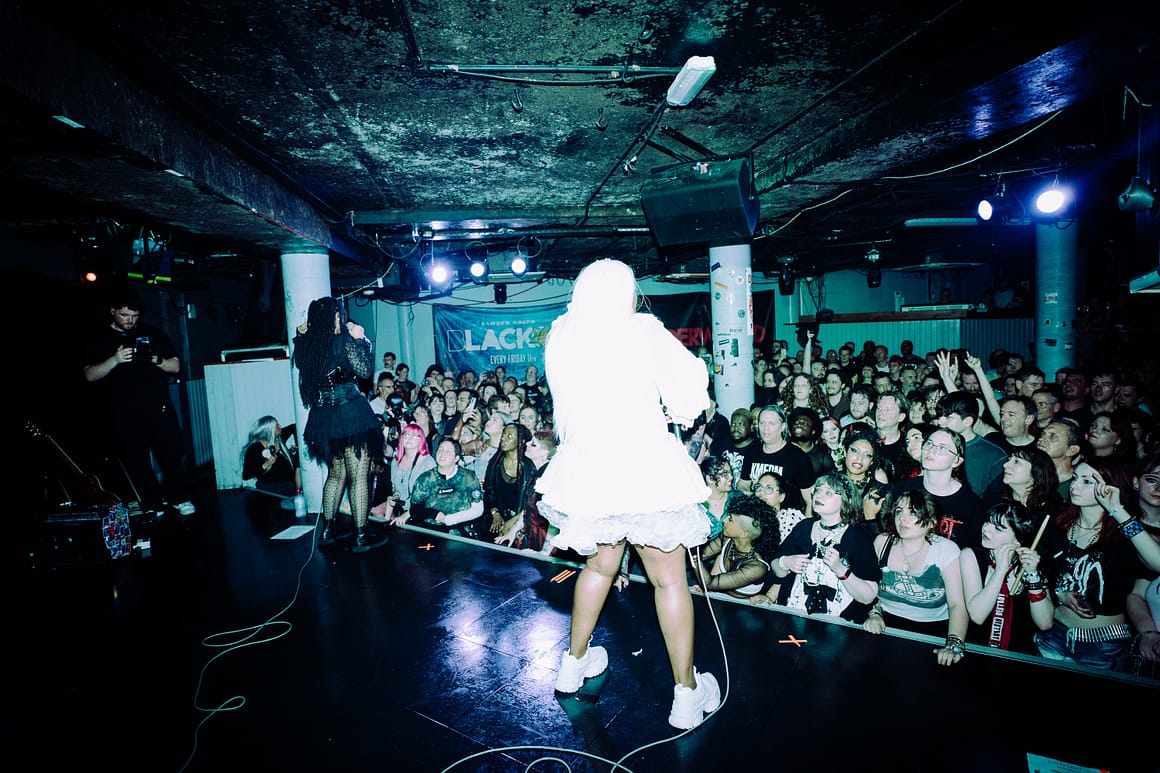
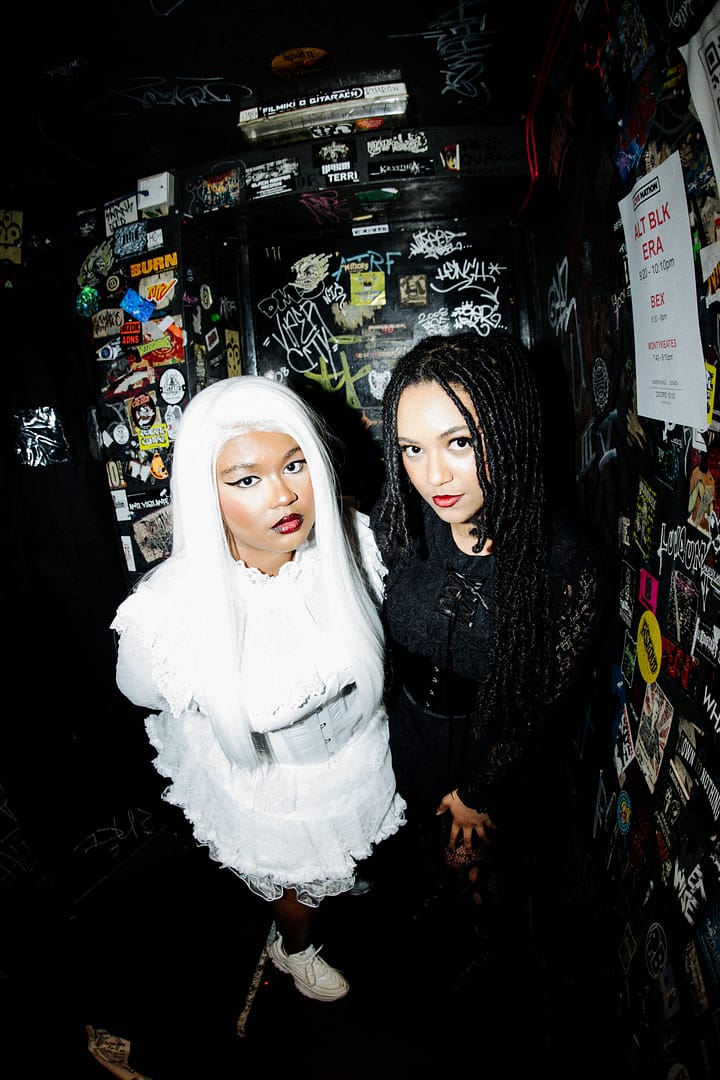
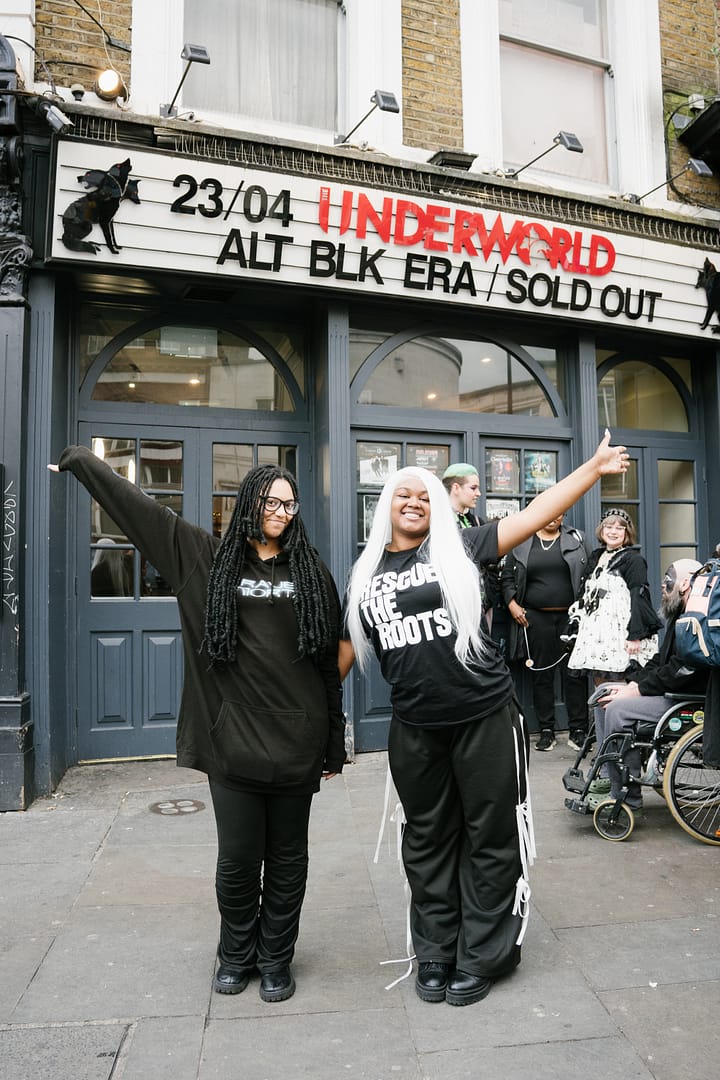
When it comes to writing, we honestly do what we want to do. That attitude comes from the support our mother has given us from the start. She just wants us to be happy, and creating music the way we want is the part of this business we can take full control over. Everything else is an expression of that freedom she allowed us to explore. Keeping grounded starts from the home and is embedded in the respect we have for ourselves and others. We want joy and peace in our lives. Those are the most valuable things. If you treat people well while also looking after your own boundaries, there is lots of peace and joy to be had.
“Keeping grounded starts from the home and is embedded in the respect we have for ourselves and others. We want joy and peace in our lives — those are the most valuable things.”
Creating art is powerful in itself. Creating it as sisters and then sharing it with the world together feels like a dream come true. We’ve had so many wonderful experiences together that we will be able to talk about for years to come. We’re just so proud of each other — for overcoming personal challenges to make it onto stages around the world. It’s just amazing.
Thank you so much. We’ve got so many exciting plans ahead. We are writing our next album and it’s already sounding like a belter. We’re also looking forward to releasing upcoming collaborations with artists we’ve admired over the years. Can’t say too much just now — but stay tuned.
Every creative has a story that brought them here. First-person interviews with creatives across industries. Each issue is in partnership with, and guest-curated by a different organization.
Read the full series →Free · Weekly · Unsubscribe any time
The Turban and UK Grime: The Rapper Building a New Sound From Northern Nigeria

Comments
No comments yet — be the first to share your thoughts.